Step Off the Bus, Into the Wild
Today we explore Transit-to-Trail Wildlife Walks, turning a simple bus or train ride into a doorway to songbirds, pawprints, and quiet green corridors. We’ll share practical routes, respectful wildlife etiquette, and stories from riders who found wonder steps from a platform. Subscribe, comment with your favorite lines, and plan a gentle, car-free adventure that restores attention and joy.

Planning Your Journey with Ease

A little preparation unlocks enormous freedom. Matching transit timetables with trailhead hours helps you enjoy longer golden-hour light, while buffer time cushions inevitable delays. Consider step-free stations, reliable transfer points, and safe, signed connections to paths. With a map downloaded offline and a loose plan, you’ll feel relaxed enough to notice wingbeats, tracks, and first blooms the moment you arrive.

Reading Schedules Like a Naturalist

Approach transit planning like field observation: patient, curious, and attentive to patterns. Recognize frequency peaks, transfer windows, and the quiet periods when platforms feel calm. Building a thoughtful cushion lets you pause for unexpected sightings, journal brief notes, or examine a trail map without rushing past the tiny details that make urban-edge ecosystems feel alive.

First and Last Mile Confidence

The walk between the stop and the trailhead sets the tone. Scout crosswalks, lighting, and wayfinding signs in advance, and download a neighborhood map in case signal fades. Choose routes with clear sightlines and welcoming storefronts, and share your plan with a friend. Confidence at these edges frees your senses to tune into leaves, calls, and shifting light.

Accessibility and Inclusivity in Motion

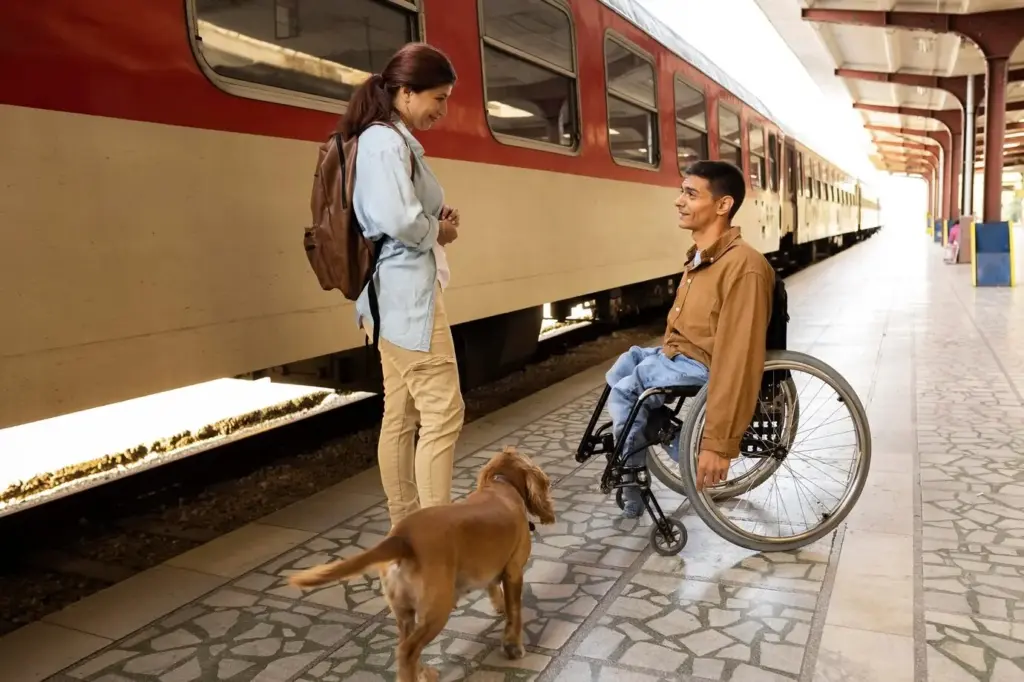
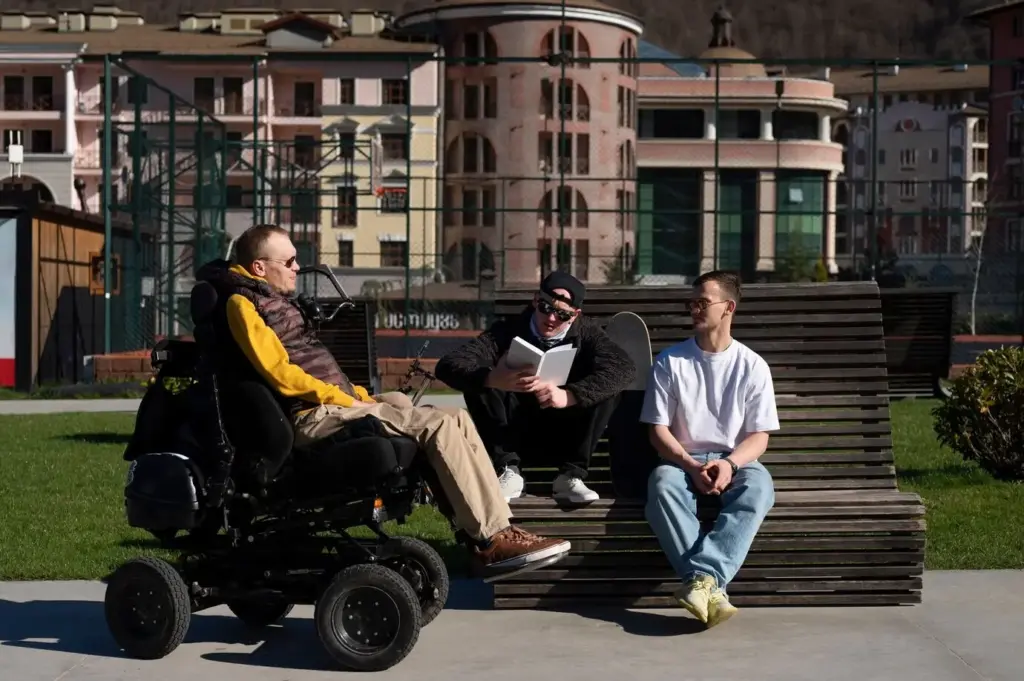
Step-free access, elevators that work, wider paths, and thoughtful pacing can turn curiosity into participation for everyone. Seek stations with reliable lifts, trails with firm surfaces, and rest spots spaced kindly. Invite companions who move at different speeds, leaving time to notice textures, scents, and distant silhouettes together. Inclusivity is not an afterthought; it is the path to deeper connection.

Wildlife Encounters Along Urban-Edge Trails

Where rail lines, neighborhoods, and green corridors meet, life flourishes in surprising ways. Ecotones host resilient species that thrive on edges: blackbirds threading cattails, rabbits tiptoeing between brambles, herons lifting from stormwater ponds. With patience, quiet footsteps, and awareness of seasons, these commutes reveal secret dramas. Let curiosity guide you while remembering respectful distance protects every story unfolding nearby.

Ethics and Safety for People and Animals

Respect keeps everyone safe and invites return visits. Stay on marked paths to protect nesting sites and prevent erosion. Keep voices soft, pets leashed, and snacks secured. Check trail advisories and transit alerts before departure, and carry enough water for unexpected detours. Choose responsibility over bravado, because careful choices today ensure future riders will witness the same delicate wonders.

Trail Etiquette Without Compromise

Step aside for uphill hikers, signal when passing, and give space to photographers focused on a fleeting moment. Pack out micro-trash, including fruit peels and threadbare tissues. Let the landscape guide your pace rather than the clock. Respect closures, seasonal signs, and restoration fencing, trusting that patience now restores habitat resilience, songbird nests, and the shared joy waiting next week.

Sharing Space with Predators and Protectors

Coyotes, hawks, and owls patrol edges that look empty at midday. Give wide berth, never feed, and keep dogs leashed when silhouettes appear. Read posted notices from rangers and stewards; they hold local wisdom about recent dens or sensitive areas. If you feel watched, step back, breathe, and remember that coexistence grows from calm curiosity and generous distance.

Lightweight Optics and Simple Tech

Pocket binoculars transform distant shapes into stories, while a phone in airplane mode preserves battery for maps and notes. Download identification guides and record short voice memos instead of typing. A tiny microfiber cloth rescues fogged lenses. Keep tech secondary to presence: look first with eyes, then confirm. The gentlest gear habits keep wildlife undisturbed and memories bright.

Clothing Systems for Changeable Days

Layer with breathable base fabrics, a warm mid layer, and a windproof shell so you adapt without fuss. Choose quick-drying socks and broken-in shoes for comfort across station tiles and rooty paths. Gloves and a beanie weigh almost nothing yet transform chilly waits. When bodies stay cozy, curiosity stretches longer, quietly following subtle tracks until the next arrival bell.

Snacks, Water, and Waste-Free Habits

Refill a sturdy bottle, carry salty snacks, and pack crumbs in a sealing pouch so wildlife never associates people with food. A small sit-pad turns curb edges into rest spots. Tuck compostable wipes and a spare bag for trash. These small rituals, practiced consistently, create cleaner platforms, healthier trails, and lighter hearts as your journey becomes pleasantly routine.

Gear That Fits in a Daypack

Travel light so you can notice more. A compact pair of binoculars, a notebook, and a phone with offline maps cover essentials without weighing down your curiosity. Add a reusable bottle, small first-aid kit, and layered clothing. Choose gear that disappears on your shoulders but appears instantly when a flash of motion or curious track invites closer attention.

Stories from the Route

Experiences shared by riders turn directions into living memory. A stranger points out a nesting platform; a child counts dragonflies near the station garden; a conductor smiles at muddy boots and binoculars. These small exchanges knit a corridor of goodwill. Tell us your favorite encounter and route, because your story might become another traveler’s spark on tomorrow’s dawn ride.

A Dawn Commute to Heron Magic

She left before sunrise, coffee steaming at the bus stop. Ten minutes from downtown, reeds opened to quiet water where a great blue heron lifted like a slow exhale. Returning, she carried no souvenirs, only steadier breath and a subtle smile that lasted through meetings, emails, and the ride home illuminated by afterglow instead of fluorescent glare.

A Family’s First Coyote Sighting

Two kids, a folded stroller, and gentle anticipation stepped off the train together. On the gravel path, a coyote paused, assessed, and trotted into tall grass. The family whispered, stayed distant, and watched ears flicker like metronomes. Later, coloring pages depicted careful space and bright eyes, and transit tickets were tucked beside leaves pressed flat with wonder.

Get Involved and Share the Journey

Your participation strengthens this movement. Post routes that connect reliably, invite friends to ride together, and comment with accessibility notes others might need. Share etiquette reminders gently when you see them forgotten. Join monthly meetups, support local habitat projects, and celebrate car-free exploration. The more voices we gather, the more trails welcome riders stepping into living stories.
Small, welcoming groups leave from stations after the second morning bus, moving at a pace set by birdsong and comfort. Bring water, curiosity, and your questions. Say hello to organizers, offer suggestions, and volunteer to sweep the route. Community grows step by step, and new friendships often begin where the platform ends and the first wild scent begins.
Photograph tracks, calls, and blooms without disturbing habitat, then share responsibly through community science platforms. Tag observations with the line you rode and approximate station, not exact nest locations. Your entries help map migrations, flowering times, and urban-edge resilience. Data becomes advocacy when ordinary riders show extraordinary patterns unfolding right beside platforms, culverts, and pocket wetlands.
Pupokurivuvenu
Privacy Overview

This website uses cookies so that we can provide you with the best user experience possible. Cookie information is stored in your browser and performs functions such as recognising you when you return to our website and helping our team to understand which sections of the website you find most interesting and useful.