From Platform to Path: Welcoming Wildlife at the City’s Edge

Why Gateways Matter for Wildlife and People
Proof in the ecology
Connectivity boosts survival. Camera traps near urban stations routinely capture foxes, hedgehogs, raccoons, and coyotes navigating vegetated verges and culverts where cover is continuous and disturbance is predictable. Even small features like hedgerows, brush piles, or amphibian-friendly drains can reconnect microhabitats, restoring gene flow and seasonal movements. When commuters are guided along clear, lit promenades, wildlife corridors remain calmer, enabling shy species to cross between riparian ribbons, pocket parks, and larger green belts with fewer stressors.
Commuters becoming caretakers
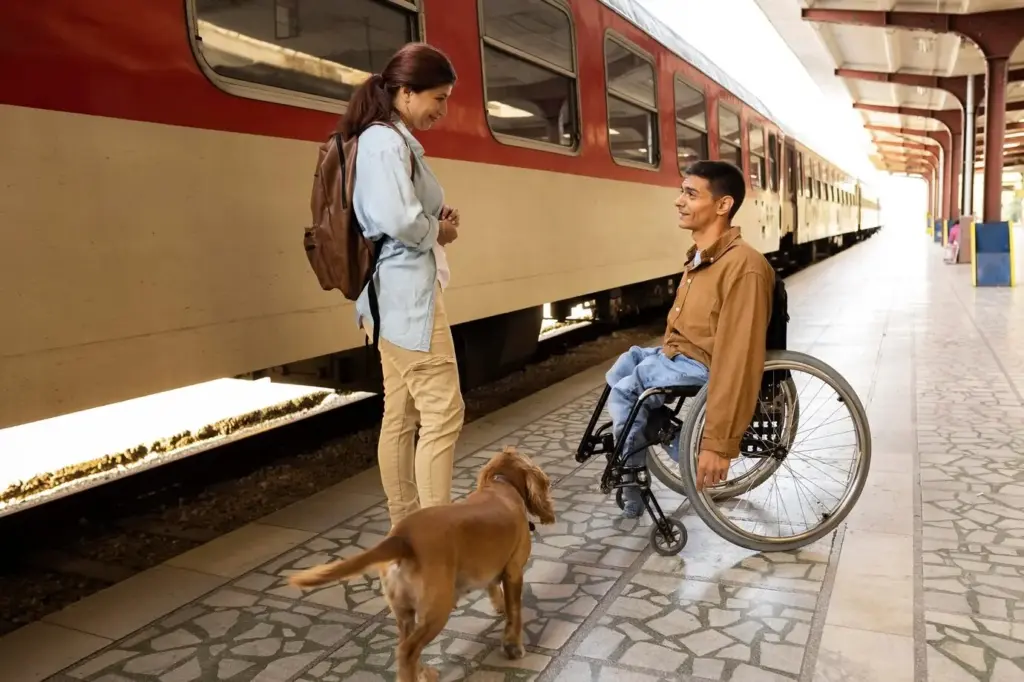
A well-designed arrival sequence can turn a routine trip into a gateway ritual that cultivates pride and care. Interpretive art celebrating local species, tactile maps showing living corridors, and community events like bioblitz mornings or volunteer planting days build emotional ties. When people understand why dog leashes, quiet hours, and staying on paths protect nesting birds or basking reptiles, compliance rises naturally, and station-area landscapes become shared projects rather than merely managed backdrops for hurried footsteps.

Design Principles at the Station Edge
Safe Crossings and Conflict Reduction
Planting for Passage and Resilience
Ecoregion-tuned palettes
Seasonal choreography that keeps corridors alive
Maintenance with a light footprint
Data, Monitoring, and Adaptive Management

Policy, Partnerships, and Funding
All Rights Reserved.