Ride, Walk, Witness the Migration
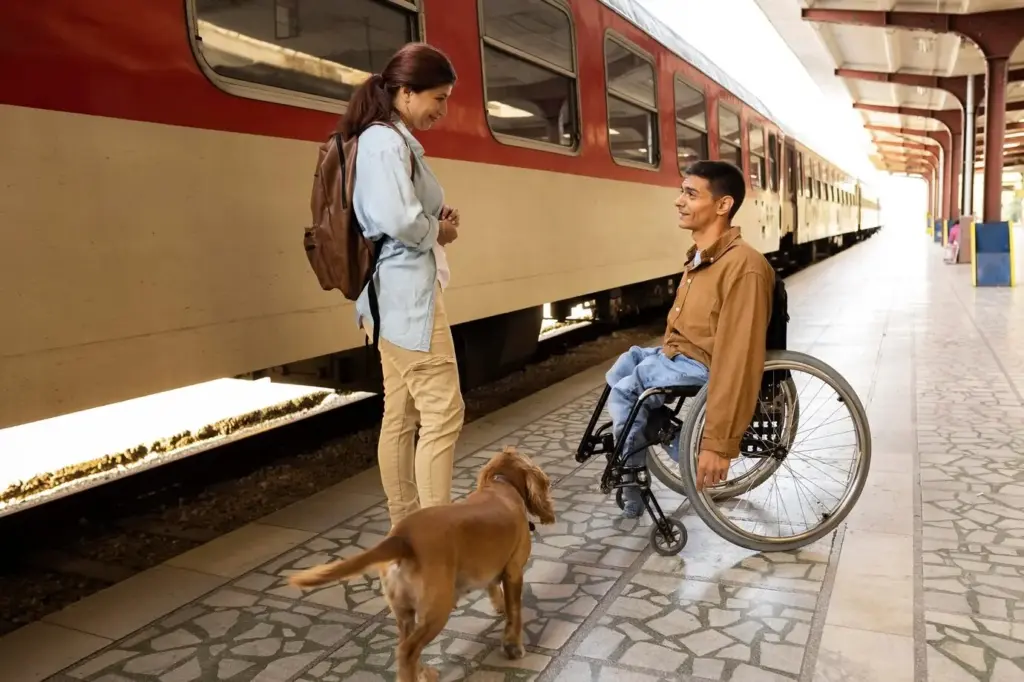
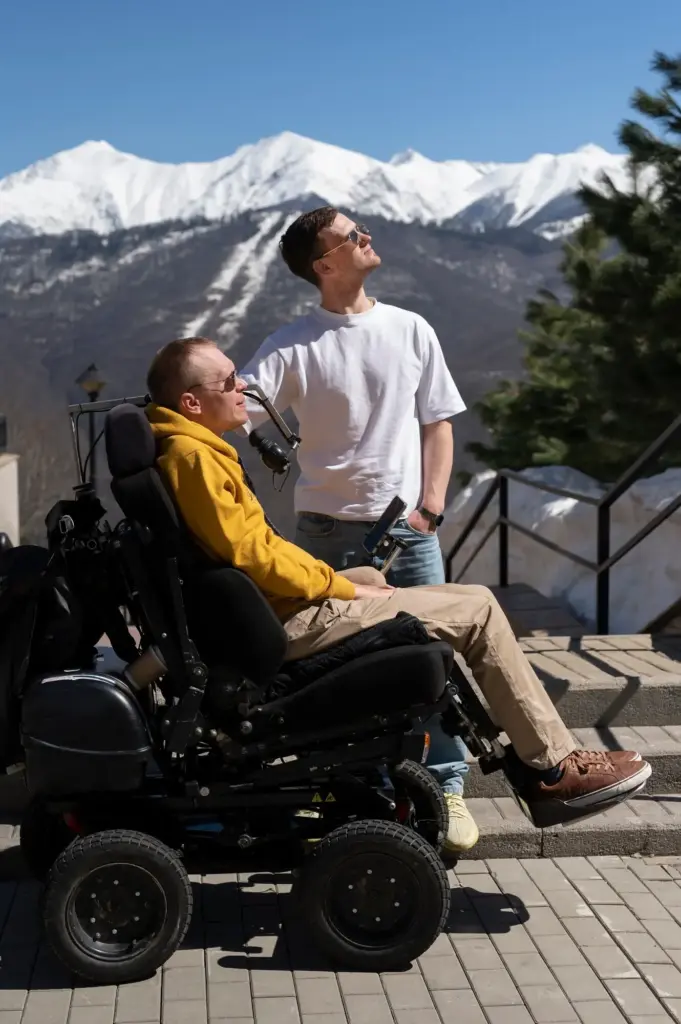
Join us for Seasonal Migration Walks: Reaching Viewing Spots via Public Transit, where buses, trains, and ferries become launchpads to unforgettable wildlife moments. We’ll connect departure times with flyway forecasts, share practical packing and safety tips, spotlight inclusive routes, and invite your observations to fuel conservation, friendship, and year-round, car-free adventure.

Plan Your Journey the Transit-First Way

Transit schedules can align beautifully with sunrises, tides, and wind shifts when you plan with intention. Use route planners layered with park maps and flyway forecasts, note last-mile paths, download offline directions, and prepare backups. By matching windows of movement, your commute becomes a front-row migration encounter.

City to Wild Routes You Can Try

Not every city has a beach at its doorstep, yet countless transit lines end within a breezy walk of remarkable overlooks. Use these sample journeys as inspiration, adapting them to local agencies and seasons. Small tweaks—earlier trains, different directions—often unlock unforgettable, car-free wildlife moments.

01

Seaside wetlands after a quick train

Ride a commuter rail toward a coastal town, follow wayfinding to a boardwalk, and scan the mudflats as tide recedes. Terns stitch the air, sandpipers ripple like mercury, and ospreys hover over channel markers. Catch a return train as golden light flares across the water.

02

Downtown river corridor on a lunch break

Step from an office district onto a riverside path traced by tram lines. Look for swallow arcs under bridges, herons poised at eddies, and kingfishers flashing cobalt past graffiti. A forty-minute loop restores attention, and you are back before your next meeting, heart steadier, eyes brighter.

03

Ridgetop hawk watches via a hillside tram

Take a hillside tram to a crestline park where ridges channel kettles of migrating raptors. Volunteers often log numbers and gladly share tips. Pack a warm layer; breezes at overlooks can chill even on sunny days. Return downhill with stories and a phone full of sky.

Reading Weather, Light, and Movement

Migratory movements are choreographies of air, temperature, pressure, and light. Understanding these patterns helps you choose the right train and the right hour. With a quick glance at forecasts and radar snapshots, you can convert commutes into prime viewing, catching surges others miss by minutes.

Share space kindly from bus to boardwalk

Queue patiently, give seats to those who need them, and tuck tripods so aisles remain clear. On boardwalks, pause in wider pullouts to let others pass, and avoid blocking overlooks. A friendly explanation of what you are watching often invites curiosity, respect, and shared delight.

Access for every pace and sensory style

Identify step-free exits, gentle grades, and benches along the route, and consider auditory or visual wayfinding tools that reduce stress. Choose paths with lower sensory load when possible. Inclusive planning turns a simple outing into a welcoming ritual where every participant can focus on sky and song.

Small groups, check-ins, and visible plans

Small groups stay nimble, watch blind corners, and keep together during transfers. Share a printed plan with meeting times, map links, and emergency contacts. Dusk returns feel safer when expectations are clear, lights are charged, and everyone knows how to regroup if platforms are crowded.

Etiquette, Safety, and Accessibility

Walking from crowded stations to quiet marshes asks for care. Share space with commuters, respect posted closures, keep voices soft near roosts, and secure belongings. Plan step-free routes where needed, and let someone know your return train. Safety and courtesy create welcome for both people and wildlife.

Field Skills That Travel Well

Skills that fit in a pocket or two help you adapt from jostling carriages to windy lookouts. Learn steady viewing, fast note-taking, and respectful listening even amid city clatter. With compact habits, every ride and walk becomes practice for the next luminous encounter.

Steady optics on moving platforms

Brace elbows, lean against posts, and breathe out gently before focusing to reduce shake. On a moving bus, support binocular barrels with a scarf or strap. Share views by describing landmarks first, then birds, so friends can line up quickly without frustration or missed moments.

Hearing birds through city noise

City acoustics can mask delicate calls, so face away from traffic, cup an ear, and pause under tree canopies or walled paths. Use short recordings only as references, never lures. Trust rhythm and tone, building memory through repetition during short waits and gentle platform lingerings.

Community, Data, and Lasting Impact
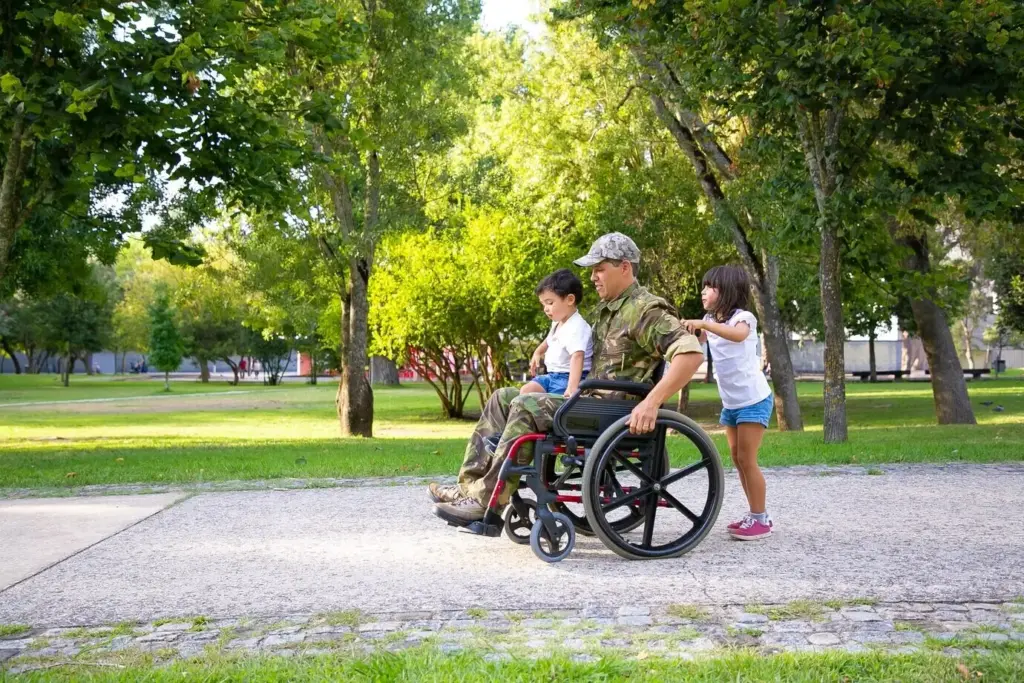
Your footsteps and checklists can shape better futures for birds and riders alike. Join local groups, submit counts, and advocate for routes that connect neighborhoods to wetlands and ridges. Share discoveries, ask questions, and subscribe for updates so we can plan together and celebrate every season.
Pupokurivuvenu
Privacy Overview

This website uses cookies so that we can provide you with the best user experience possible. Cookie information is stored in your browser and performs functions such as recognising you when you return to our website and helping our team to understand which sections of the website you find most interesting and useful.