Step Off the Train, Into the Wild

Discover how neighbors, volunteer guides, and urban ecologists lead wildlife outings that begin right at transit hubs, turning bus bays and station plazas into gateways to surprising biodiversity. We introduce Community-Led Wildlife Outings Starting at Transit Hubs, explain how to join, outline benefits, and share stories, tips, and routes that make car-free nature exploration welcoming, reliable, and joyful.

Access Without a Car

By anchoring meeting points at bus stops or rail entries, participants can join regardless of parking, licenses, or fuel costs. Families arrive together, students feel independent, and elders avoid long walks before the walk. Transit also extends reach into new neighborhoods while keeping the group’s carbon footprint minimal.

Predictable Time Windows

Timetables create a shared rhythm: trains arrive, introductions begin, and the group departs with confidence. If someone is delayed, the next bus offers a clear fallback. Leaders can publish backup departure times, reducing stress and encouraging newcomers who might otherwise worry about holding everyone back.

Equity and Comfort

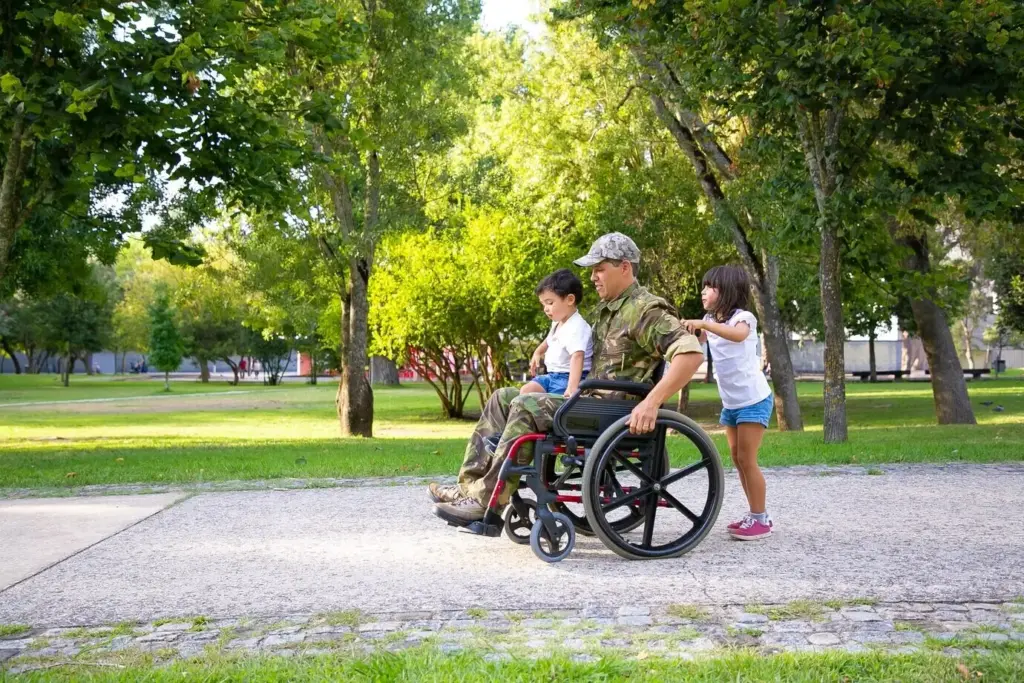
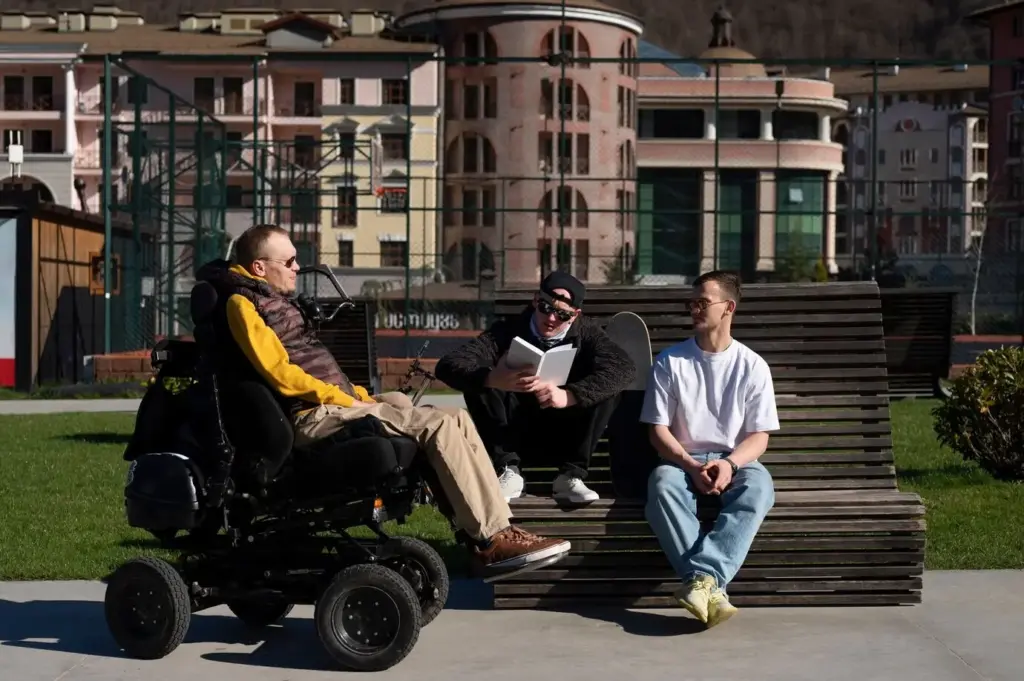
Stations often include seating, shade, restrooms, and clear signage, which lowers barriers for people with mobility needs, parents with strollers, and multilingual neighbors. Pairing these comforts with gentle routes supports a sense of belonging, where curiosity about birds, insects, and plants outshines anxiety about logistics.

Planning a Walk From a Platform

Scouting Pocket Habitats

Visit the area a few days early to observe tide of activity: pollinator strips by station planters, stormwater ponds behind parking lots, and songbirds using tree lines as travel corridors. Note vantage points that minimize disturbance and mark alternatives if crowds or construction shift access.

Permits, Permissions, and Etiquette

Check whether large groups require notice to transit authorities or parks. Introduce your group to station staff, clarify that you will keep platforms clear, and designate crossing marshals. Share a simple code of courtesy that protects nesting sites, other commuters, and local residents’ routines.

Route Cards and Contingencies

Prepare small cards or a shared link with map, distance, bathroom locations, transit return times, and emergency contacts. Include a short alternate loop for heat, rain, or fatigue. This gives families, beginners, and photographers choices without fragmenting the shared experience.

Safety, Accessibility, and Care

Thoughtful practices keep people and wildlife safe. Leaders model slow, attentive movement, encourage hydration and sun protection, and plan crossings where visibility is strong. Accessibility checklists, backup resting spots, and buddy systems build trust, while clear boundaries protect sensitive habitat edges from trampling or crowding.

Universal Design in the Field

Choose surfaces with fewer trip hazards, announce gradients ahead, and provide seating intervals. Offer visual, spoken, and written cues. Invite participants to signal needs discreetly. When people can anticipate terrain and rest points, they notice more behaviors, calls, and tracks, and feel welcome returning.

Group Size and Spacing

Smaller clusters lessen noise and allow everyone a clear view. Assign a lead and sweep for each cluster, with hand signals to pause or regroup. Spacing also reduces disturbance, letting amphibians, raptors, and pollinators continue normal activity while observers collect notes quietly.

Seasonal Wildlife Near Stations

Transit corridors often border rivers, greenways, and utility rights-of-way that host shifting seasons of life. Spring delivers nest building and emerging insects; summer brings pollinator swarms and amphibian choruses; fall showcases migrations; winter reveals tracks and raptors. Planning with seasonal cues keeps outings fresh and wondrous.

Community Science That Starts on the Platform
Outings become powerful engines for data when leaders weave in simple protocols. Recording species with photos and sound, tagging locations near stations, and noting behavior patterns can inform habitat improvements. Transparent privacy practices and collaborative dashboards keep contributors motivated, credited, and eager to return with friends.

A Morning at Riverside Station

We gathered under a swaying sycamore as commuters hurried past, then traced a culvert to a hidden marsh. Red-wings flashed like tiny flags. Later, on the platform, a heron lifted, and strangers applauded spontaneously, delighted that such spectacle lived beside their daily route.

The Night the Bats Stole the Show

An evening walk started late because of a delayed train, but patience paid off. As lights warmed, bats skimmed insects in figure eights above the park-and-ride. Children counted aloud, laughter echoing, while parents filmed and promised to return next week with neighbors.

Grandmother’s Two Names for Milkweed

During a pause by the bus shelter, an elder shared the plant’s name from her childhood and the translated word she taught her grandkids. The group listened, then gently checked for monarch eggs. Language and life cycles braided together, anchoring memory to place and season.
How to Subscribe and Stay Updated

Sign up for weekly dispatches that bundle upcoming walks, backup weather plans, and citizen science highlights into one concise message. Enable SMS reminders if you prefer. We welcome quick replies with station tips or timing feedback, and we routinely adapt based on community requests.

Pathways to Leadership

New leaders shadow once, then try a short segment with mentorship. We provide route templates, safety checklists, and data collection guides. People who once doubted their expertise quickly discover how curiosity, kindness, and preparation create joyful experiences worth repeating and sharing widely.
Pupokurivuvenu
Privacy Overview

This website uses cookies so that we can provide you with the best user experience possible. Cookie information is stored in your browser and performs functions such as recognising you when you return to our website and helping our team to understand which sections of the website you find most interesting and useful.