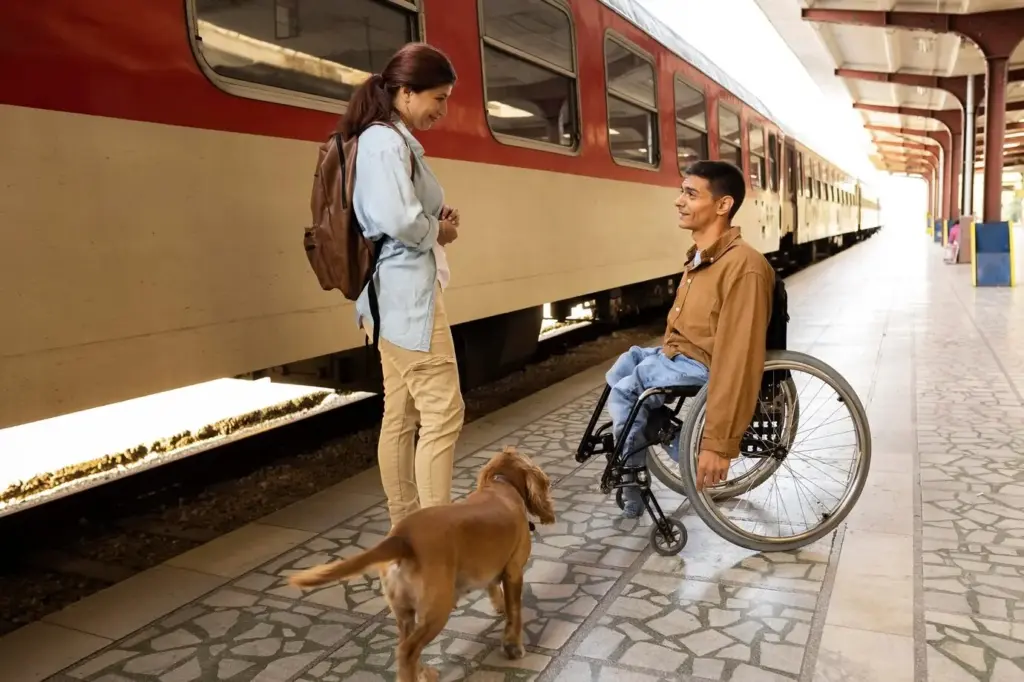
Ride, Alight, Explore: From City Stops to Living Wild
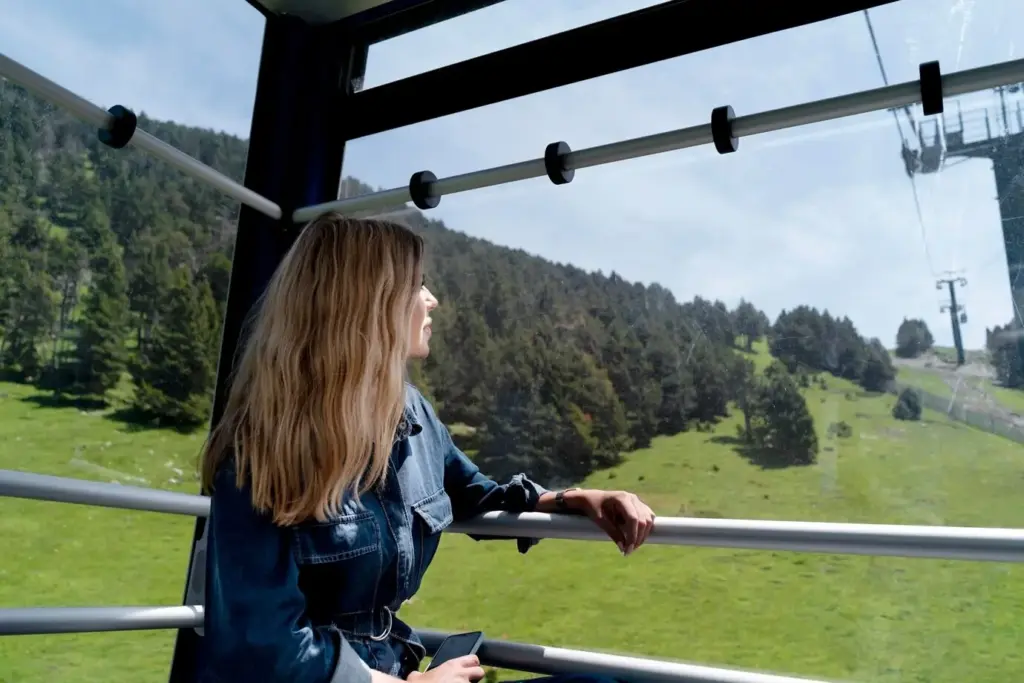

Today we explore digital maps linking transit stops to biodiversity hotspots, revealing how ordinary riders can step off a bus or train and find wetlands, pollinator corridors, old-growth fragments, and thriving pocket parks within minutes. You will discover practical routes, seasonal highlights, and gentle etiquette for sensitive habitats. Share your discoveries, subscribe for updates, and help us refine this guide so more people connect sustainably with nearby nature.

Why Getting Off at the Right Stop Changes Everything

{{SECTION_SUBTITLE}}
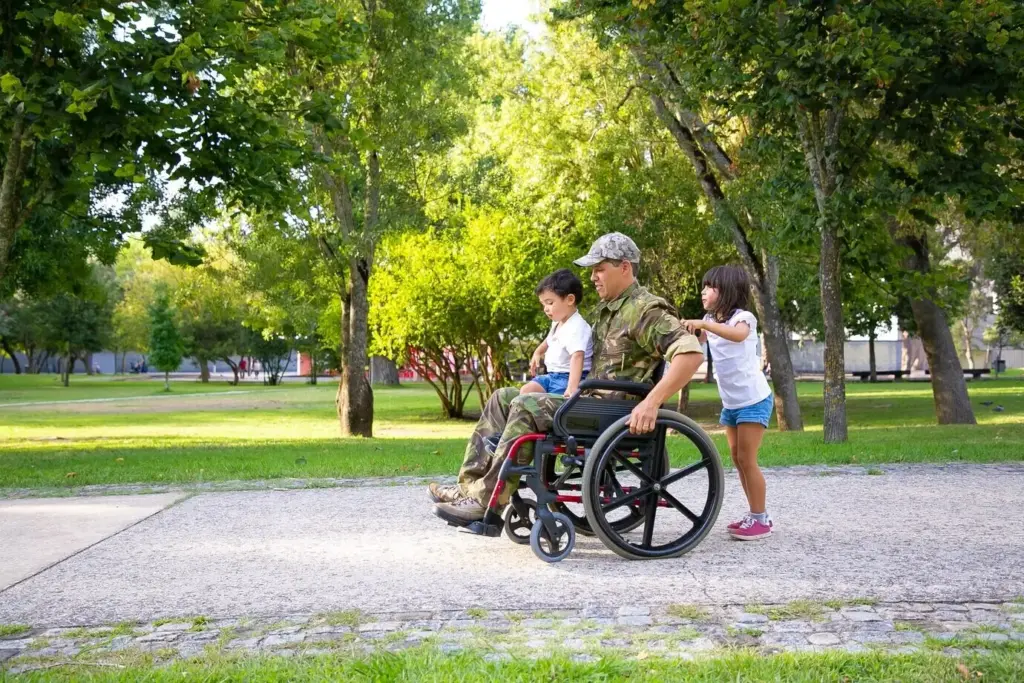
Close Pathways That Turn Errands Into Adventures

When a short detour from your commute leads past a marsh overlook or shaded riparian trail, errands become tiny expeditions. Digital guidance eliminates uncertainty, highlighting crossings, benches, and entry points. Those small moments—watching swallows feed, hearing frogs, smelling rain-soaked leaves—build a steady habit. Over time, routine travel stitches together a personal atlas of green refuges that feels both intimate and endlessly surprising.

Health, Equity, and Affordable Wonder for Every Rider

Reliable transit paired with nearby living landscapes delivers accessible wellness without gate fees or car ownership. Families with limited budgets can picnic by a pond after school, while shift workers decompress along a safe, well-lit path. These experiences nurture mental health and strengthen cultural connections to place. Community organizations can organize outings, share languages and stories, and ensure everyone recognizes themselves in the map’s recommendations.

Data Layers That Make the Journey Reliable

Behind a simple arrow on your screen lives a careful weaving of public transit schedules, stop locations, path networks, habitat inventories, and community observations. Combining GTFS feeds, OpenStreetMap paths, accessibility notes, and seasonal biodiversity records allows confident, step-by-step guidance. This fusion respects sensitive areas while celebrating discovery. By surfacing trustworthy details at the right moment, the experience feels light, accurate, and welcoming for first-timers and experts alike.

Design That Feels Effortless on a Busy Platform

Great wayfinding respects your attention during crowded transfers and tight schedules. The interface highlights only what matters now: the correct exit, the safe crossing, the first landmark, the time-to-nature. Colors echo intuitive cues; icons stay consistent across zoom levels. When you pause, richer context appears—species notes, seasonal alerts, and etiquette reminders—without clutter. Subtle animations reassure progress, while plain language avoids jargon and builds calmly confident decision-making.

People Power: Partnerships and Shared Discovery

The most meaningful guidance grows from collaboration. Transit agencies, park departments, local ecological groups, schools, and community scientists bring insights about access, stewardship, and cultural history. Together they shape routes that respect habitats and celebrate neighborhood identity. Workshops surface barriers and possibilities. Bilingual materials and trusted messengers build confidence. When residents see their stories reflected on the map, they champion it, correct it, and help it flourish.

Community Observations Enrich Every Path

Local knowledge reveals seasonal puddles that host chorus frogs, fence gaps that invite shortcuts, and blooming times for monarch-friendly milkweed. With thoughtful moderation and privacy safeguards, these notes guide safer choices while nurturing pride. Contributors earn recognition through gentle prompts and badges. As patterns emerge, routes adapt, signage improves, and maintenance teams prioritize fixes that turn chance discoveries into reliable, repeatable joy for everyone.

Co-Design Workshops and Feedback Loops

Pop-up map tables at stations, walking audits, and youth-led classroom projects surface overlooked needs. Participants test clarity, suggest landmarks, and identify discomfort points after dark. Quick-release updates respond within weeks, not seasons. By closing the loop—showing what changed because someone spoke up—the project earns trust. That trust keeps feedback flowing, sharpening accuracy, inclusivity, and delight with every iteration and neighborhood conversation.

Learning Gentle Etiquette for Sensitive Places

Clear guidance encourages staying on durable surfaces, keeping voices soft near nests, and giving space to wildlife. Practical tips cover mud-season reroutes, leashed pets, and timing to avoid disturbance. Cultural acknowledgments and land histories invite respectful curiosity. Short videos and illustrations appear contextually, transforming rules into care practices. Visitors leave with gratitude, stories worth sharing, and a deeper sense of belonging to the living world.
Measuring What Matters and Improving With Care

Progress requires thoughtful metrics and humility. Instead of chasing vanity numbers, the focus remains on safe access, habitat respect, and inclusive participation. Patterns in travel times, repeat visits, and seasonal peaks inform maintenance and programming. Biodiversity indicators guide protections, not pressure. Transparent dashboards invite scrutiny without compromising sensitive data. Each release clarifies intent, learns from missteps, and strengthens bonds between riders, managers, and the landscapes they share.

Tiny Snapshots With Big Lessons

A rider hops off after work to watch swifts circle above a brick chimney, guided by a five-minute detour. Another brings grandparents to a gentle boardwalk at low tide, catching herons fishing. These small stories inform design more than any dashboard, reminding the team that wonder thrives in ordinary time slots and familiar neighborhoods when directions are simple, gentle, and trustworthy.

Augmented and Tactile Ways to Understand Place

Discrete, optional overlays can label native plants or stream restoration phases without distracting from the landscape. Haptic nudges mark turns for those who prefer audio off. Tactile printouts expand access for low-vision explorers. Classroom kits help students trace watersheds from stop to overlook. All enhancements stay light, respectful, and removable, keeping attention anchored to the living scene rather than the screen.

Scaling With Care Across Regions

Growth respects local context. New areas begin with listening sessions and small pilots, ensuring advice fits customs, climates, and transit patterns. Cross-border routes acknowledge language shifts and varying protections. Shared checklists—accessibility, habitat sensitivity, maintenance partners—keep quality consistent. By expanding deliberately, the map protects what makes each landscape special while extending the circle of people who can reach it easily and kindly.
Pupokurivuvenu
Privacy Overview

This website uses cookies so that we can provide you with the best user experience possible. Cookie information is stored in your browser and performs functions such as recognising you when you return to our website and helping our team to understand which sections of the website you find most interesting and useful.