Birding From the Heart of the City

Today we’re focusing on transit-friendly birdwatching routes from city centers, celebrating how buses, trains, and trams unlock surprising migration corridors, waterfronts, and pocket parks. Learn how to trade traffic for birdsong, optimize schedules, discover safe, inclusive paths, and turn ordinary commutes into uplifting encounters with herons, warblers, raptors, and resilient urban species that thrive alongside our rails and rivers.

Start Close, See More: Why Transit Works

Public transport anchors dependable access to rich habitats without parking stress, enabling spontaneous dawn outings and unplanned detours when a rare visitor appears. Reliability reduces decision fatigue, leaving energy for observation, note‑taking, and sharing sightings. The journey itself becomes part of the experience, revealing edges, bridges, and green seams where city life and wildlife continually meet.

Mapping Green Corridors From Downtown

Seasons on the Move

Urban birding changes with light, wind, and water. Spring surges with color and song along treelines beside tracks; summer shifts to shade, shorelines, and insect-filled edges; autumn brings raptors to thermals over stadium roofs; winter sharpens silhouettes and calls, perfect for learning structure and behavior from concise encounters.

Spring Surprises on the First Train

Arrive with dawn’s pale glow and hear parks erupt—warblers ticking, thrushes whispering, and blackcaps spinning effortless phrases. Cold rails radiate mist near rivers, concentrating insects and swallows. Even a single platform‑to‑park loop can produce lifers when warm fronts push migrants into green city hollows.
Summer Shade and Wetland Breezes

Target shaded greenways, elevated boardwalks, and lakes with reliable transit access. Early buses beat the heat while reeds shimmer with reed warblers and coots shepherd young. Bring water, seek cross‑breezes on bridges, and plan a shaded return stop to log sightings comfortably before the midday crescendo.
Autumn Rarities After Work

Shortening days compress opportunity into golden hours. Ride a tram to a river bend where sandbars appear, scan for plovers and dabbling ducks, then climb a pedestrian overpass for kestrels patrolling street trees. Commuter schedules become migration metronomes—predictable, brief, and surprisingly generous with uncommon visitors.

Gear That Travels Well

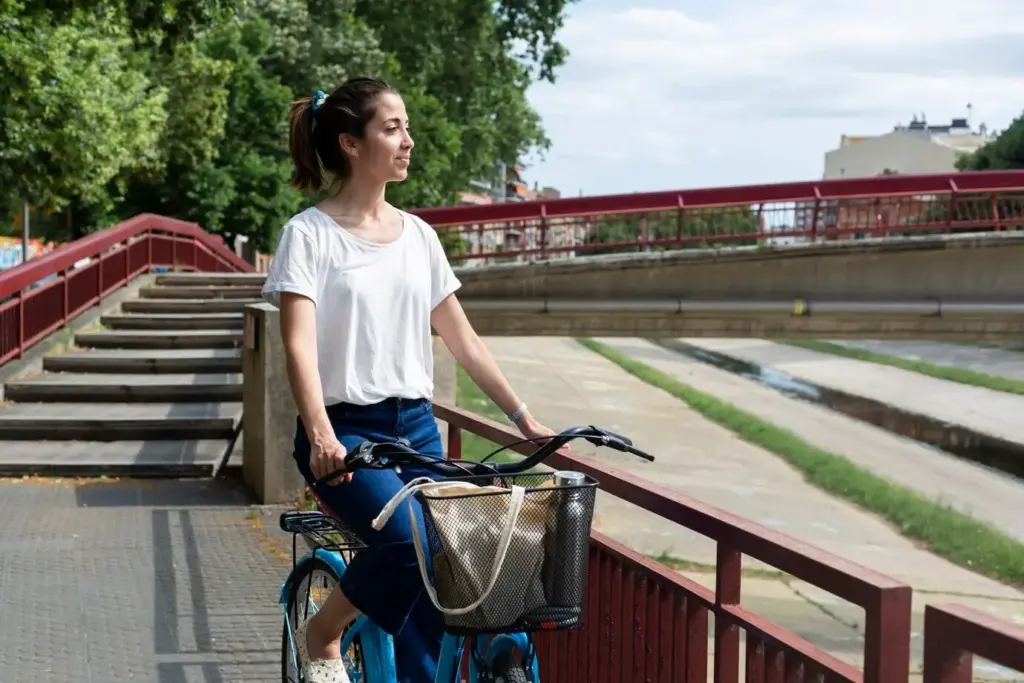
Pack choices should respect crowds, comfort, and speed. Compact binoculars, a lightweight layer, and a slim notebook do more than bulky kits you hesitate to carry. Balance readiness with courtesy: quiet straps, no tripod sprawl during rush, and a pouch for stashing field guides or snacks between stops.

Pack Light, See Far

Mid‑size binoculars with good coatings outperform heavy glass when you must stand, pivot, and scan quickly from platforms. A small cloth cleans lenses after misty rides. Keep essentials reachable so you respond instantly to a fleeting silhouette crossing skylines or skimming cattails near your transfer point.

Sound Matters on Noisy Platforms

Trains hum and announcements echo, so cultivate listening strategies. Cup one ear, face windward, and learn a handful of anchor calls you can pick through clatter—wren chatter, tit scolds, gull keening. A pocket recorder captures phrases for later identification without interrupting a quiet group experience.

Weatherproof Without Bulk

A compressible shell and packable hat handle drizzle, while thin gloves maintain dexterity adjusting focus. Choose shoes that dry quickly after wet grass edges. Stash a tiny sit‑pad for damp benches, turning a quick layover into a comfortable, unhurried scan of a reedbed or distant roost.

Inclusive Routes and Accessibility

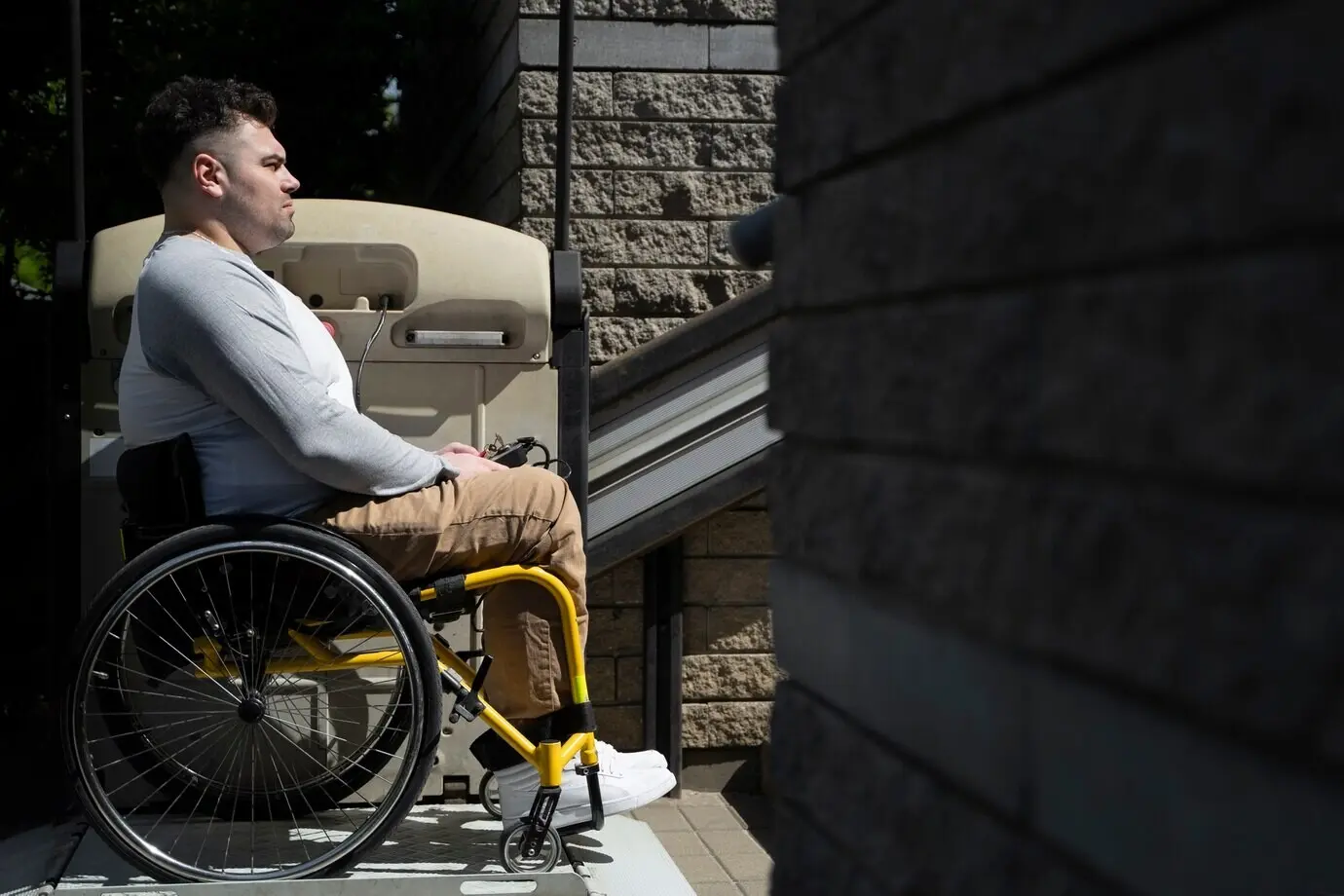
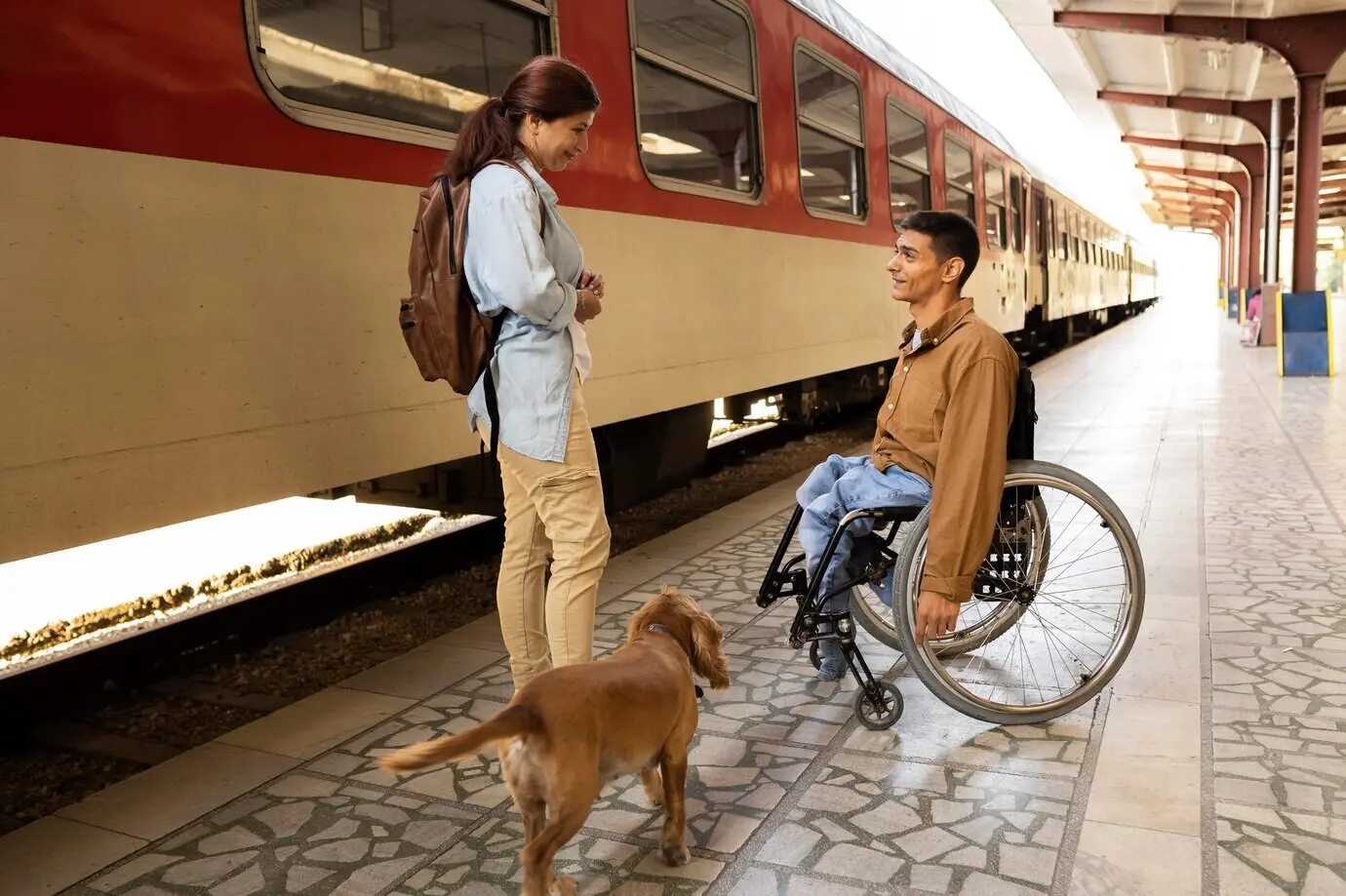
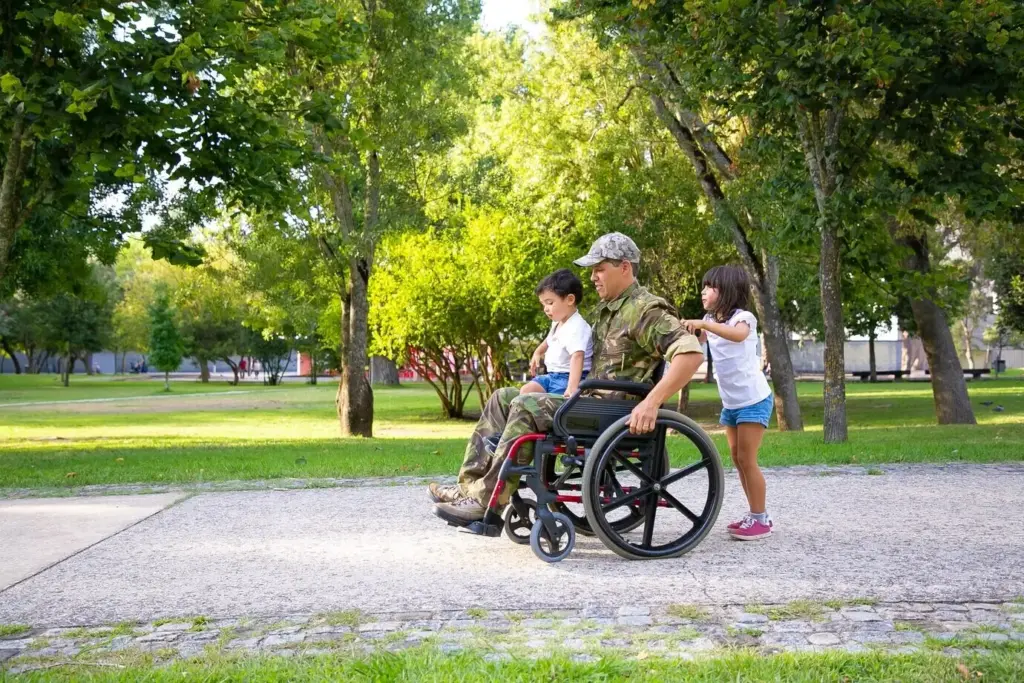
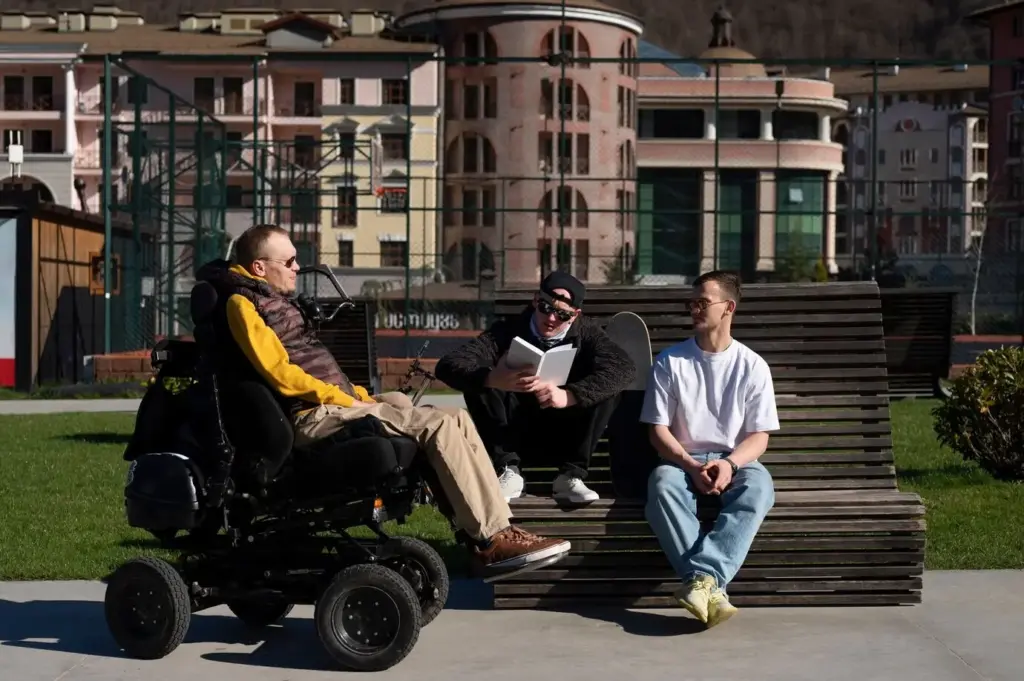
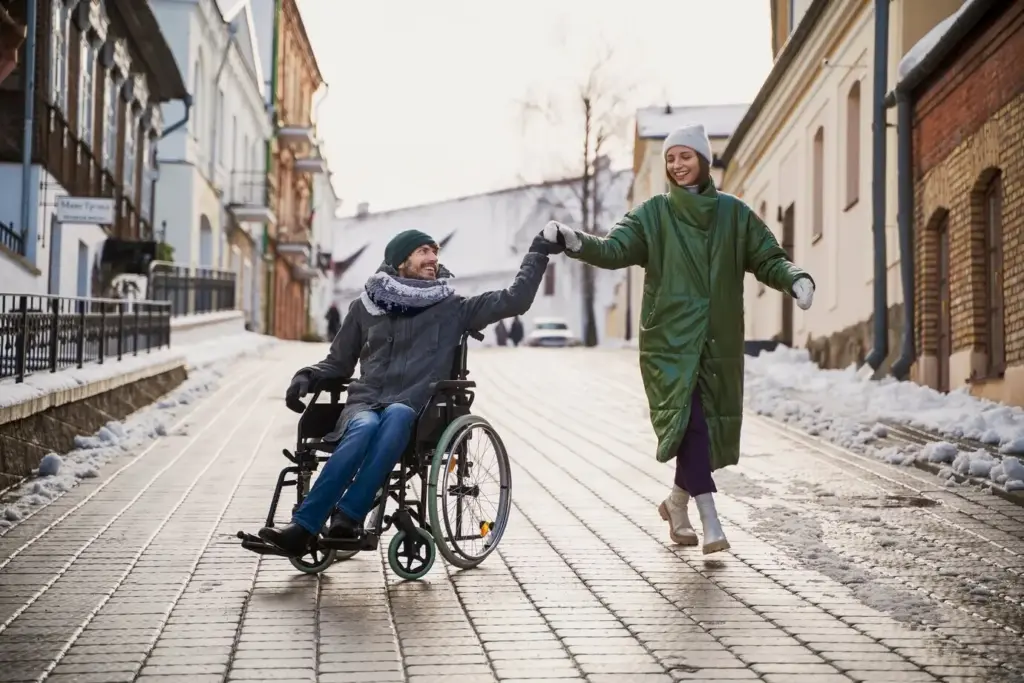
Birding thrives when everyone can participate. Favor stations with elevators, wide gates, and reliable service notices. Seek parks with firm paths, tactile guides, and benches. Share precise directions and gradient notes so friends, elders, kids, and new birders feel welcome, supported, and excited to explore together safely.

Step‑Free Paths to Great Views

Map routes that avoid steep stairs and narrow footbridges. Elevated boardwalks and riverside promenades often provide broad sightlines, handrails, and frequent rest points. Clear descriptions—surface type, distance, restroom availability—turn uncertainty into confidence, helping more people enjoy kingfishers, grebes, and migrating swifts with ease and joy.

Pacing, Rest, and Comfort

Build pauses into your plan. Choose loops with cafés or shelters near bus stops, so colder days remain comfortable. Encourage a shared pace where conversation and observation flow naturally. Comfort unlocks attention, and attention multiplies sightings, especially when wind shifts or light suddenly reveals movement.

Companions and Group Safety

Invite a buddy, share locations in real time, and set rendezvous points. Reflective accents help at dawn, and a tiny first‑aid kit adds confidence. Group norms—quiet near nests, yielding space on platforms—sustain goodwill with commuters and protect sensitive wildlife along narrow paths and overlooks.

Dawn to Desk: Ninety Minutes

Catch the earliest train to a riverside park, scan sandbars from a pedestrian bridge, circle a pond for moorhen broods, then return with time for coffee and notes. The predictability nurtures pattern recognition, turning everyday mornings into a series of small, satisfying discoveries.

Lunch Hour Wetland Escape

Ride two stops to a marsh-edge overlook with clear sightlines and benches. Fifteen focused minutes can reveal reed buntings, little egrets, or a quick harrier pass. Bring a compact snack, hydrate, and log observations immediately to highlight midday patterns you might otherwise overlook entirely.

Twilight Roost by Tram

Glide to a plaza near tall poplars or riverside reeds where starlings swirl and herons commute. Low light simplifies shapes, sharpening identification through flight style. Practice short exposure photos or sketches, then share highlights to inspire others to try gentle, end‑of‑day journeys without a car.
Pupokurivuvenu
Privacy Overview

This website uses cookies so that we can provide you with the best user experience possible. Cookie information is stored in your browser and performs functions such as recognising you when you return to our website and helping our team to understand which sections of the website you find most interesting and useful.